

Alumni Industry Series | Marco Po (GBS 2019) carries forward three generations of Tanka cuisine through fishing heritage and warmth
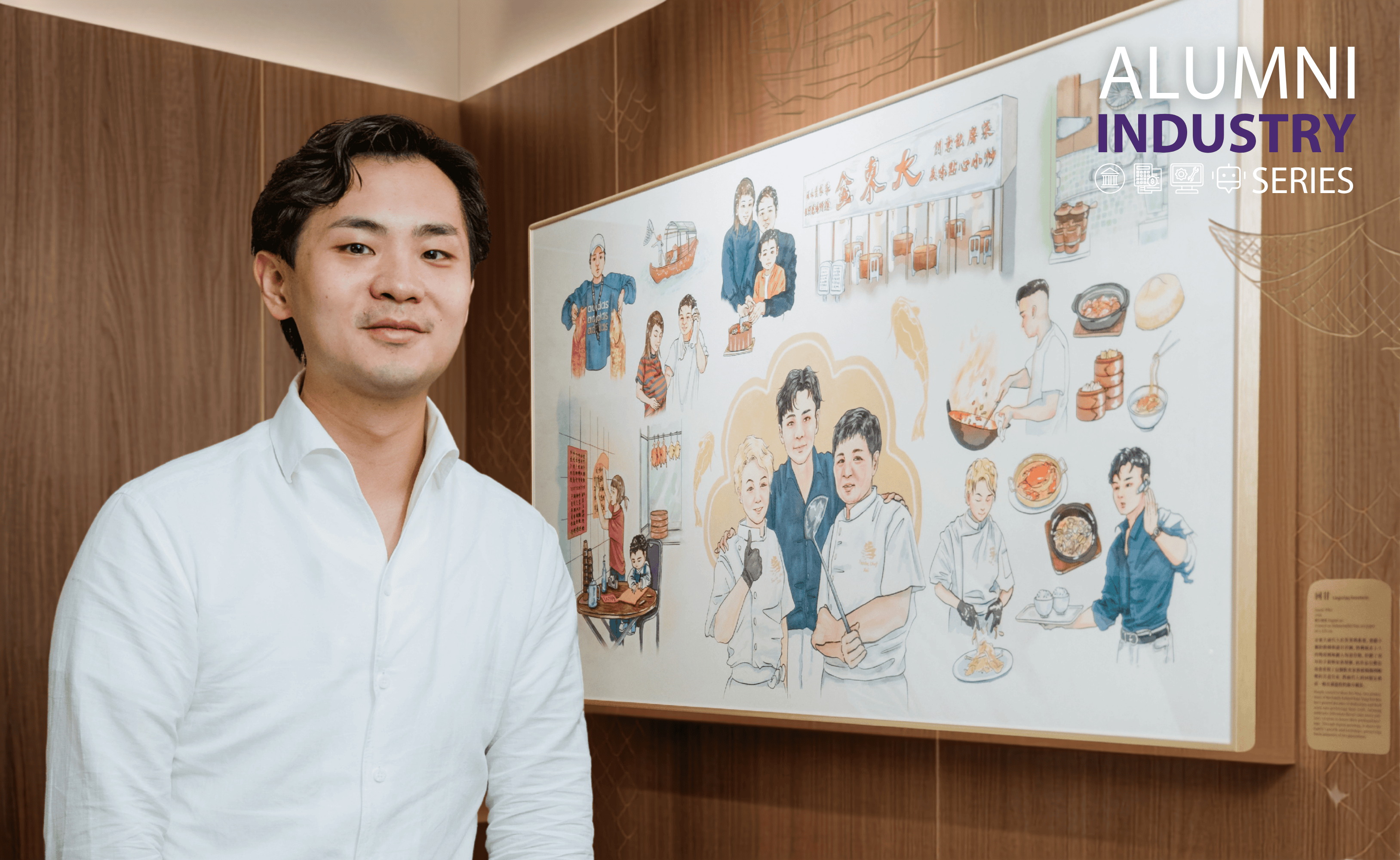
In a fiercely competitive F&B sector, long-term survival demands more than just quality — it hinges on human connections and cultural roots. Two years ago, Marco Po (GBS 2019) walked away from a lucrative seven-figure salary as an investment manager to return to his family’s 35-year-old Tanka seafood restaurant. Driven to preserve his grandfather’s culinary legacy, he sources strictly local ingredients like seaweed and dried shrimp from Po Toi O, and dried oysters from Lau Fau Shan. He firmly believes that building a profitable, sustainable ecosystem for local suppliers while establishing a clear brand identity is the only way to safeguard these unique flavours for generations to come. Raised in the restaurant, Marco worked the till at six and managed accounts on Excel by nine. After an enviable early career in investment banking and global fund management, he took stock of his ambitions at 27 and realised that personal ties outweighed financial metrics – prompting his return to his family business. Marco insisted on learning the business from the ground up: clearing tables, taking orders, and mastering traditional techniques alongside his mother and veteran chefs. “To earn the team’s respect, you can’t just sit back and act like the entitled heir,” he noted. Through hard work and sincerity, he earned their trust step by step, baking this personal touch into every detail of the business. He switched to quarterly bonus payouts, introduced performance KPIs, and even paid for staff to take English classes on the clock to build their confidence when serving foreign tourists, alongside sommelier courses to sharpen their knowledge. This values-driven mindset carries through from his workforce and supply chain to the end customer — demonstrating a sharp, practical understanding of the industry. In his view, the key to safeguarding Tanka culinary heritage lies in a resilient supply chain. Facing a wave of retiring fishermen, he pays premium rates to ensure fair compensation, encouraging the next generation stay in the trade. He reels off his favourite local ingredients with pride: his granduncle’s sun-dried seafood from Po Toi O; rich, flavourful lobster, sea urchin, and golden dried oysters from local sources; and Sai Kung seaweed that carries a tenfold price tag for its unrivaled oceanic umami. Through every dish, he aims to highlight the true worth of these overlooked treasures. This relational mindset shines just as brightly in his approach to customer engagement. Amid macro challenges — including economic headwinds and the surge in cross-border dining — he believes the F&B sector’s path forward depends on offering experiences that cannot be replicated. “You have to be distinct, and you have to communicate your value,” he emphasises. For instance, to serve rare delicacies like giant grouper skin, the restaurant purchases whole groupers — offsetting costs by serving fried rice and noodles made with the meat at lunch, before showcasing the fresh skin at dinner. Staff are also trained to recount the local fishing lore, turning every meal into a cultural immersion. Sustaining legacy businesses requires analytical rigour alongside passion. Marco attributes his operational success to the business acumen honed during his time in the Global Business Studies (GBS) programme at CUHK Business School: “Right from the start, GBS trained us to identify root problems and solve them decisively.” To address inconsistent standards caused by an oversized 150-dish menu, he streamlined it to 90 items and divided kitchen operations into two dedicated teams, significantly sharpening quality control. To showcase over 300 classic Tanka recipes that lacked a modern platform, he established an exclusive private dining venture, and hosts just two tables per evening to maintain an exquisite, high-end experience. The turnaround strategy has proved a resounding success, driving rave reviews and a month-long waiting list. Reflecting on his shift from finance, Marco a journey back to his true passion. His advice to young alumni of the Business School is to reject rigid career frameworks: “Focus on finding what you genuinely love, throw your absolute all into it, and success will naturally follow.” “Simply put, Tanka cuisine is the home cooking of boat dwellers,” Marco explains. “As indigenous Po Toi O fishermen without refrigeration, our ancestors preserved catches as salted fish, dried seaweed, or shrimp paste. The essence of Tanka food lies in seasonal seafood, using sun-dried ingredients and local condiments to elevate its natural sweetness. Some recipes originated from fisherwomen cooking wholesome meals for their families at sea.” CUHK Business School alumni are everywhere, transcending geographical and industrial boundaries. To explore more inspiring alumni stories, please click HERE.
Earning respect through authenticity
Delivering a distinctive culinary experience

Marco notes that local Hong Kong lobster is rich in roe though leaner in meat, making it ideal for the restaurant’s signature lobster stir-fried with rice noodle rolls
Marco admits that running a restaurant in Hong Kong is tough; carving out a unique brand identity is key to long-term successStrategic execution via a GBS mindset
Fun Fact: What is Tanka Cuisine?
