

China Alumni Footprint|Reimagining “Pineapple Village”: Zhai Yang (MScMKT 2014) rebuilt a Kunming neighbourhood’s image through design

Kunming is known for its year-round spring-like weather. While locals regard Green Lake and Haigeng as the city’s scenic showpieces, “Pineapple Village” carries a different reputation: an ageing district associated with low-end living. This, however, is the hometown of Zhai Yang (MScMKT 2014), founder of a Kunming-based boutique hotel chain. After eight years as a “gang piao” – Mainland Chinese studying or working in Hong Kong – he returned home to start a business of his own. His ambition went beyond merely running hotels. Through sharp brand positioning and marketing, he set out to restore pride in his hometown culture.
Rebranding: Turning the “pineapple” bias into a local aesthetic
In the eyes of many Kunming residents, Pineapple Village is an unremarkable part of the city, even synonymous with “low-end”. Zhai Yang, being drawn to innovation and bold thinking, refuses to accept that stereotype. He is determined to prove that the local culture holds real staying power. He took the very name that had once been dismissed and gave it new meaning, naming his hotel brand “Ananas”, the German word for pineapple.
Zhai Yang’s hotels target the mid-to-premium business segment, with an emphasis on design and visual aesthetics that marks a conscious departure from outdated assumptions about the neighbourhood. Interiors feature “Instagram-ready” decor popular with younger patrons. For a founder who came home to build a business, this reimagining of a local symbol does more than carve out a distinctive market position. It is also a quiet, deliberate act of recognition for the culture he grew up in.
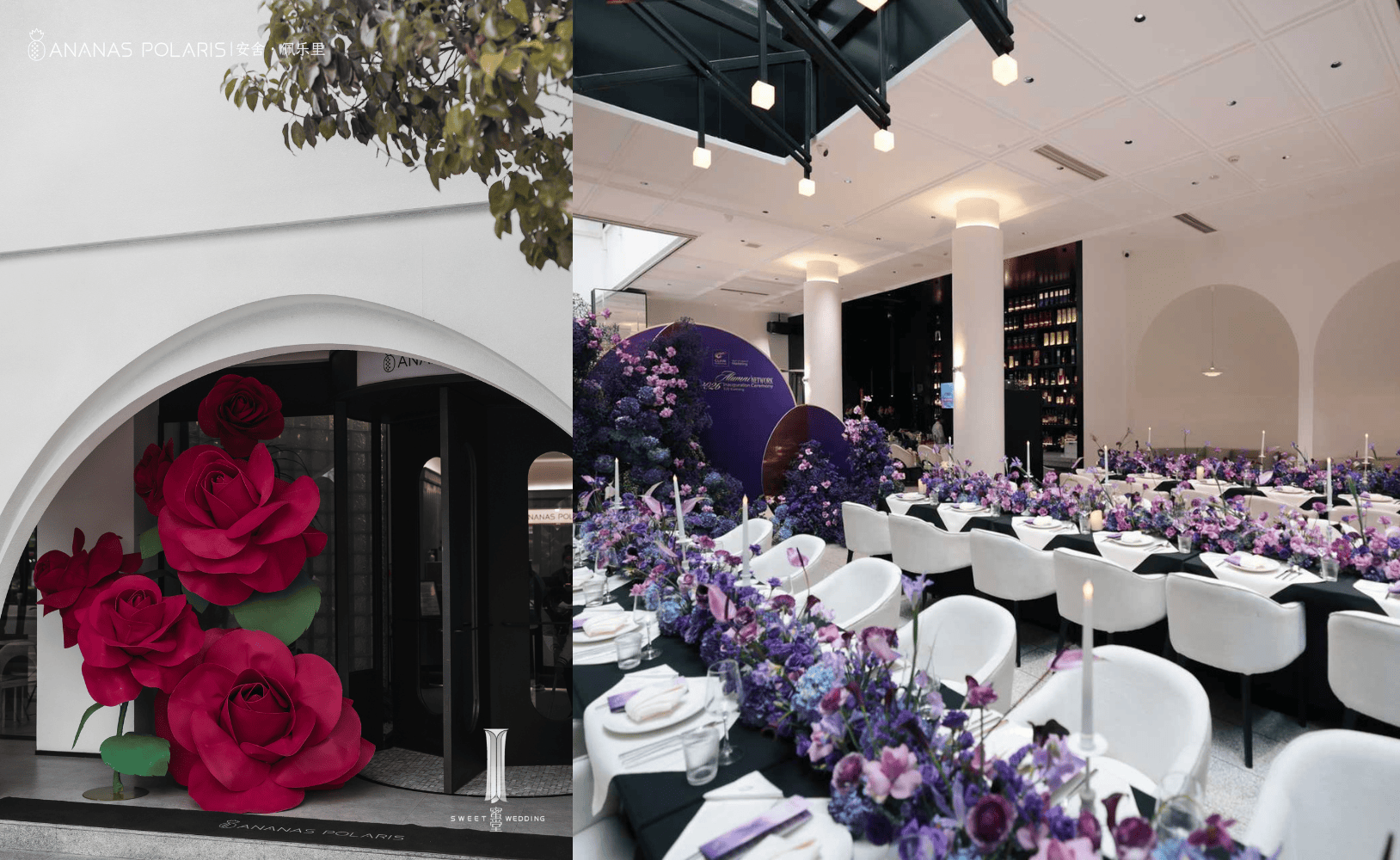
The Ananas hotel brand, built from the ground up by Zhai Yang, embraces an Instagram-ready aesthetic tailored to younger patrons
Reading the Kunming market: Standing out amid oversupply
When asked about Kunming’s business environment, Zhai Yang points to a broader shift. As cultural tourism matures, the city is changing from a transit stop into a destination in its own right, creating fertile ground for entrepreneurs returning home to build. Yet the opportunity comes with real challenges. As capital pours into the hotel sector, supply has far outpaced demand, splitting the market into clear winners and strugglers.
In the face of this intense competition, Zhai Yang’s response is “precise positioning” and “steady expansion”. “Slow is fast,” he says, resisting the temptation to expand for its own sake. “We currently have eight hotels signed and four already open. Our plan is to compete on product differentiation, not size.” He also notes a distinctly local trait among Kunming workers: a preference for stability and familiar surroundings, sometimes called the “homebody” mindset. While this can pose some challenges to management, it also reduces staff turnover. Zhai Yang believes the right incentive structure paired with the region’s comparatively low labour costs can turn this stability into a consistently strong service quality that compounds over time.
Cultural resonance: Beyond the bias, Kunming’s real appeal
Regional bias runs deep on the mainland, and Kunming is no exception. Some locals harbour the idea that hailing from Kunming makes them somehow less accomplished than their peers from tier-one cities. Zhai Yang sees things differently, however. He believes the artistic sensibility and unhurried pace woven into Kunming’s culture are gaining new commercial value in the era of the creator economy. This spirit of anti-involution and emphasis on rediscovering life resonates strongly with people worn down by city living, translating into real opportunity across cultural tourism, artisanal goods and local specialty products.
“A person’s worth is derived from their own abilities, not where they happen to be from,” says Zhai Yang. He firmly believes that even in a so-called tier-five city, there is no shortage of genuine talent, the kind that emerges from a slower pace of life. This, he argues, is Kunming’s, and Yunnan’s, most underrated asset.
Beyond its people, Zhai Yang deeply appreciates what makes Kunming so liveable: comfortable weather all year round, abundant wild mushrooms and Yinjin Street, a stretch steeped in local history. For anyone who wishes to experience the city’s deeper character, he offers his own recommendations: head to the Zhuanxin Farmers’ Market for a taste of Kunming’s everything-goes-with-dipping-sauce food culture, visit the century-old tea houses of the Old Town where the famed Chinese architect, writer and poet Lin Huiyin once walked, or feed the black-headed gulls at Haigeng at dawn before finishing the day with a proper bowl of crossing-the-bridge rice noodles.
A gift from CUHK Business School: Marketing mindset and lasting friendships
Zhai Yang’s decision to return home and build a business traces back to what he learnt during his eight years studying and working in Hong Kong. He gained early insight into the sophistication of mainland e-commerce, an outward-looking perspective that now underpins how he runs his brand. Years in a demanding professional environment also instilled the discipline that shapes how he operates today.
As an alumnus of CUHK Business School’s MScMKT programme, Zhai Yang regards what he studied there as foundational to his entrepreneurial journey. He notes that although textbook knowledge can rapidly become outdated, the habit of independent research and drive to continue learning, nurtured during his time at CUHK, remain the real edge in the age of AI. Beyond the academic training, he values the genuine camaraderie with his classmates and the trust formed among that cohort, which has become one of the most valuable sources of support along his entrepreneurial path.

Zhai Yang (second from right) built lasting friendships with like-minded classmates during his time in the CUHK Business School MScMKT programme, friendships that became a source of steady support on his entrepreneurial journey
From an elite corporate career to building something new in his hometown, Zhai Yang’s story drives home the simple point that when someone returns to a place they love and fuses global perspective with local devotion, even ground once dismissed as ordinary, “pineapple” soil can yield something entirely its own.
If you are also residing in Kunming like Kunming, please update your personal details HERE to stay connected with us!
CUHK Business School boasts a global alumni network of over 49,000, with a strong presence across China. “China Alumni Footprint” invites you to journey through different cities nationwide to discover alumni stories, their enduring ties with the land, and the local culture and emerging opportunities they’ve embraced. To explore more inspiring alumni stories, please click HERE.